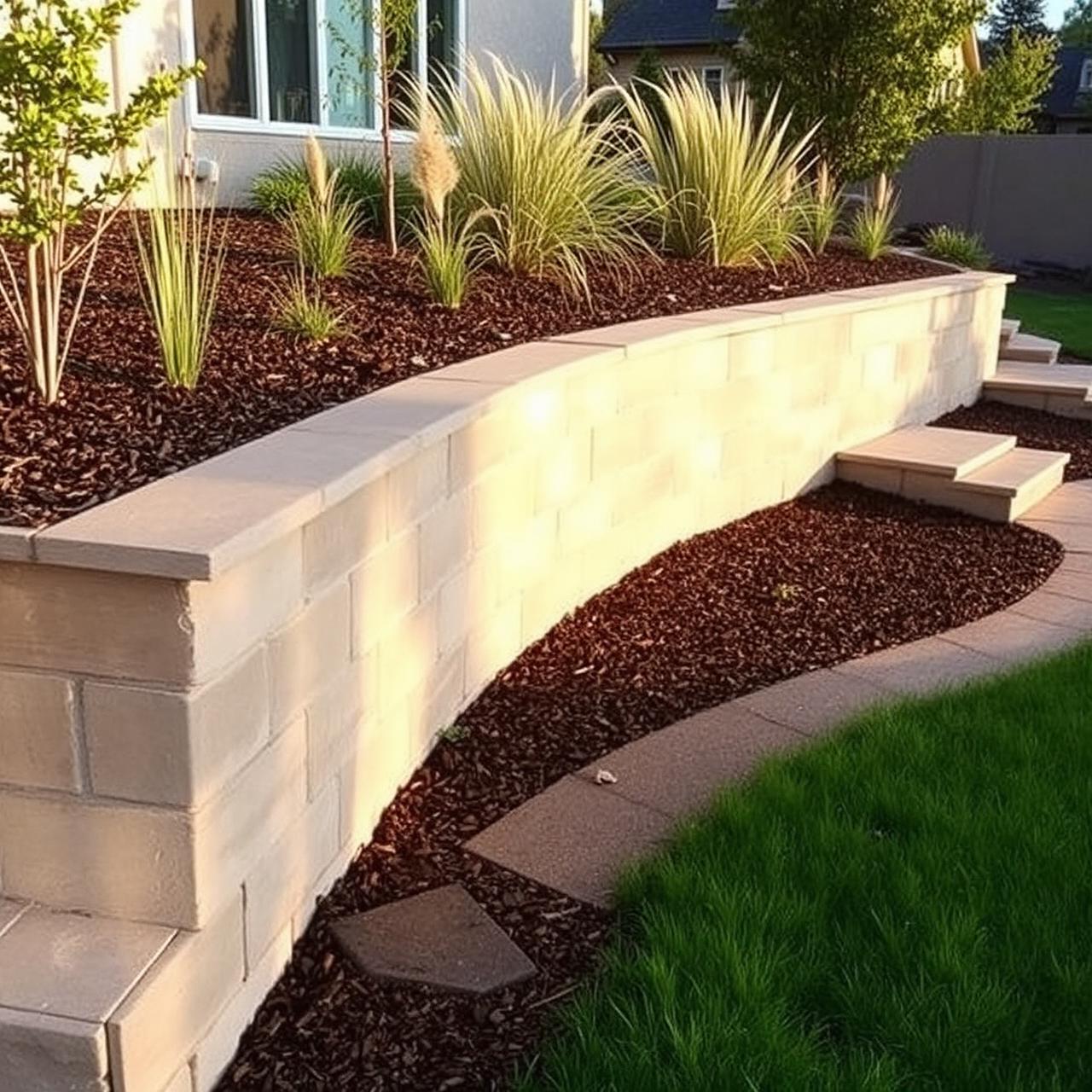
Block Walls Built to the Engineer's Drawings, Not by Eye
Structural CMU, retaining walls, basement walls, and split-face block for residential and commercial projects across Iron County and Cedar City.
Most failed block walls were never engineered
Engineered drawings, then we build to them
- ✓Stamped engineering coordinated on structural and tall retaining walls
- ✓Footings sized and reinforced per drawings
- ✓Vertical and horizontal rebar with proper laps
- ✓Cells grouted on engineer's schedule, bond beam at top
- ✓Inspections scheduled before grout pour
CMU block scope
Structural CMU Walls
Load-bearing block walls for residential, agricultural, and commercial buildings.
Basement Walls
Reinforced CMU basement walls with proper waterproofing and drainage.
Retaining Walls
Engineered CMU retaining walls with footing, rebar, and proper drainage.
Split-Face Block
Architectural split-face CMU with built-in textured finish.
Garden & Site Walls
Lower-height landscape and screening walls in standard or decorative CMU.
Commercial Block
Fire-rated walls, sound walls, storefronts, and structural columns.
Why CMU with A to Z
Engineer-Coordinated
We work from stamped drawings on anything structural — no guessing.
Proper Reinforcement
Rebar pattern, lap splices, and grout schedule done to spec.
Waterproofing
Basement and retaining walls finished with the right membrane and drainage.
Finish-Ready
Walls left ready for veneer, stucco, paint, or left as architectural split-face.
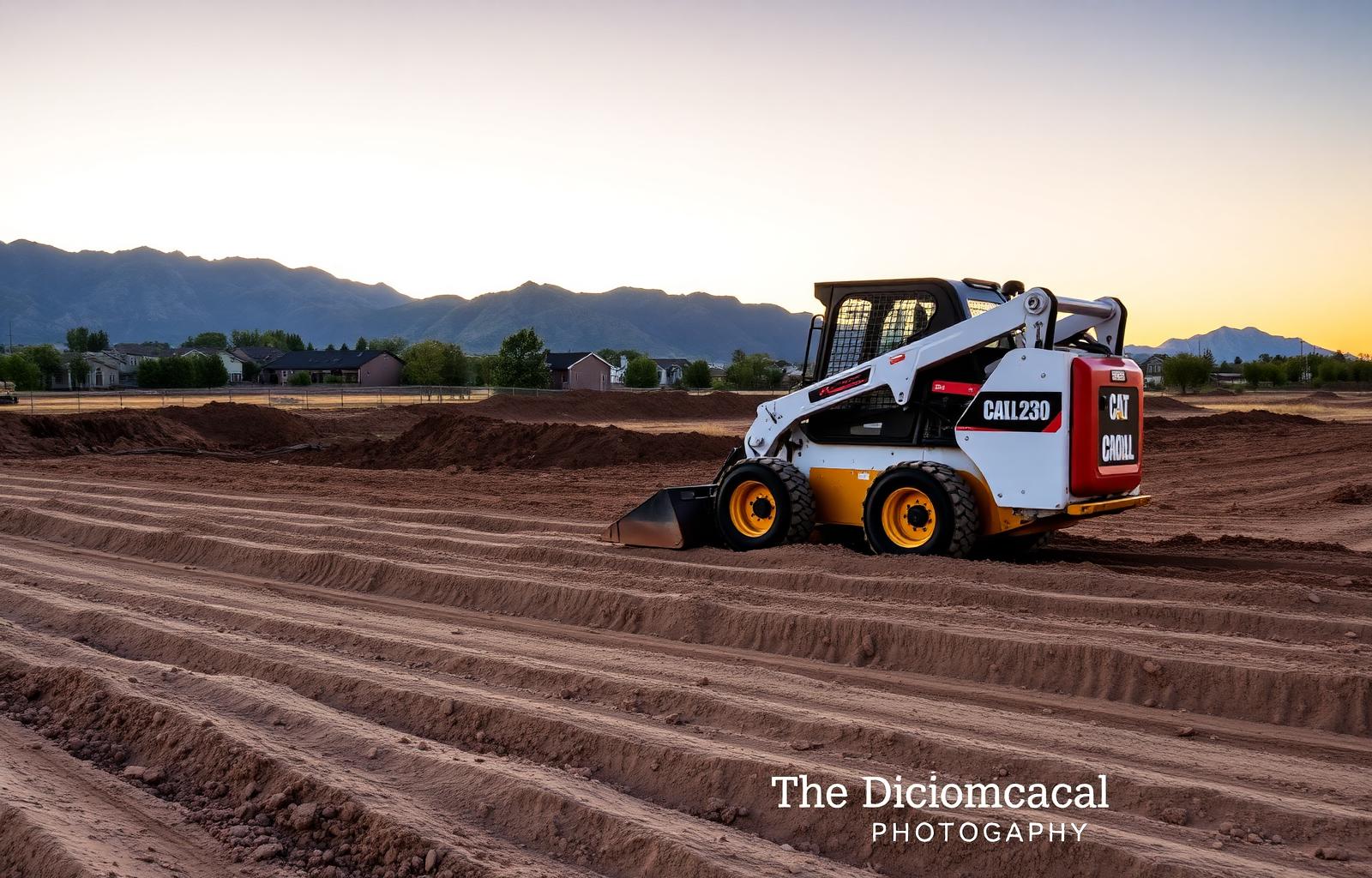
Engineered retaining wall — 7' grade change, Cedar City
A residential lot with a 7-foot grade drop requiring an engineered retaining wall to open the back yard. We coordinated stamped drawings, dug and poured a 12-inch reinforced footing, and laid grout-filled CMU with vertical rebar at 16 inches on center and a bond beam at the top. Drain rock and perforated pipe behind the wall ties into the storm drain.
Representative project example — replace with real details before launch.
Frequently Asked
Q.Do CMU walls need engineering?
Anything structural — bearing walls, basement walls, retaining walls over 4 feet — should be engineered. We work from stamped drawings and coordinate footing, rebar, and grout schedules.
Q.What's the difference between CMU and poured concrete walls?
CMU (concrete masonry units, i.e. block) goes up faster on small-to-mid jobs and doesn't need formwork. Poured walls win on larger commercial work and where appearance matters before finishing. We do both — and pick whichever the project actually calls for.
Q.Can CMU walls be finished to look like stone or brick?
Yes — adhered or anchored veneer, stucco, or split-face block. Split-face CMU has a textured finish straight from the unit and reads as stone from a few feet away.
Q.Do you handle the rebar and grout schedule?
Yes. Vertical and horizontal rebar per engineer's drawings, cells grouted at the required intervals, with proper lap splices and bond beams. Inspections coordinated.
Pairs Well With
Most A to Z projects span more than one trade. Here's what typically goes together:
Ready to start your project?
Free estimates · Licensed B-100 contractor · Cedar City, Iron County & Southern Utah